

Hiking can be peaceful, challenging, and rewarding all at once. But when conditions suddenly change, the right equipment can mean the difference between a minor inconvenience and a serious emergency. That is why choosing the best hiking gear for men is not just about comfort or style. It is about safety, preparedness, and survival.
Recent reviews and gear reports highlight a clear trend. Modern hiking gear is becoming lighter, smarter, and more reliable, with a strong focus on safety features and durability. From advanced GPS devices to high-performance footwear, today’s hiking gear for men is designed to handle unpredictable terrain and weather.
This guide breaks down the best hiking gear that can truly save you in tough situations, based on the latest expert insights, field testing, and real-world use.
Why The Right Hiking Gear Matters More Than Ever
Outdoor experts continue to stress that most hiking problems are preventable with proper preparation. Injuries, getting lost, dehydration, and exposure are still the most common risks on the trail.
Foot-related injuries, such as ankle sprains, remain one of the leading issues hikers face, especially when wearing poorly designed or worn-out footwear. Slips on wet rocks, unstable footing on loose gravel, and fatigue from improper support can quickly escalate into serious problems.
At the same time, newer gear innovations are helping reduce those risks. Lightweight materials, improved grip technology, and better navigation tools are making hiking safer for both beginners and experienced adventurers. Many modern products are also tested in extreme conditions, ensuring they can handle real-world challenges rather than just controlled environments.
Preparation is no longer optional. It is a key part of enjoying the outdoors safely.
Best Hiking Gear For Men: Essential Categories
1. Reliable Hiking Boots That Protect And Stabilize
Footwear is the foundation of all hiking gear. Without proper boots, even short hikes can turn dangerous.
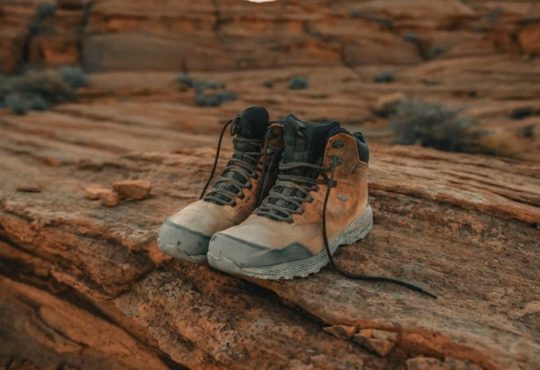
Modern hiking boots now focus heavily on traction, waterproofing, and ankle support. Models like the Salomon X Ultra series are often praised for offering a strong grip while remaining lightweight enough for long-distance comfort.
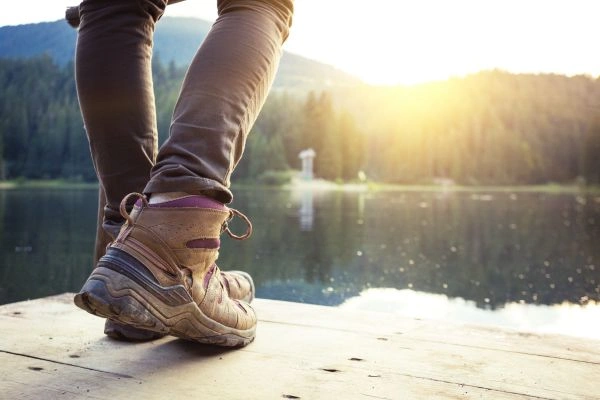
Key features to look for include deep lug patterns for traction, waterproof membranes to keep feet dry, and reinforced ankle collars for stability. Breathability is equally important, especially in warm climates where overheating can lead to discomfort and blisters.
A good pair of boots reduces fatigue, improves balance, and protects against injuries. Poor footwear does the opposite. It increases the likelihood of slips, falls, and early exhaustion.
2. Durable Backpack That Carries More Than Just Gear
A quality backpack does more than hold supplies. It plays a major role in posture, balance, and endurance.
Modern backpacks are designed with lightweight materials that do not sacrifice strength. Many now feature ergonomic suspension systems that distribute weight evenly across the shoulders and hips. This reduces strain and helps prevent long-term injuries.
Brands like Hyperlite Mountain Gear have gained attention for creating ultralight packs that are both durable and efficient. These packs are especially popular among long-distance hikers who need to carry essential gear without unnecessary bulk.
Newer designs from companies such as YETI are also entering the backpacking space, offering rugged options built for harsh environments.
A well-fitted backpack allows hikers to move naturally and conserve energy, which can be critical during long or challenging hikes.
3. Navigation Tools That Keep You From Getting Lost
Getting lost is one of the most dangerous situations a hiker can face. This is where navigation tools become essential.
Today’s hikers rely on a mix of traditional and digital tools, including GPS devices, offline maps, and satellite communicators. These tools provide accurate location tracking even in areas without mobile coverage.
Devices like the Garmin inReach are widely trusted because they allow two-way messaging and SOS alerts from remote locations. This feature alone has helped countless hikers call for help when needed.
Even with advanced technology, carrying a physical map and compass remains a smart backup. Batteries can fail, but basic navigation skills will always work.
4. Emergency Gear That Can Save Your Life
Emergency gear is not just for extreme situations. It is for the unexpected ones.
Every hiker should carry a compact kit that includes a first aid kit, emergency shelter, fire-starting tools, and a multi-purpose knife. These items can help treat injuries, provide warmth, and ensure basic survival if conditions worsen.
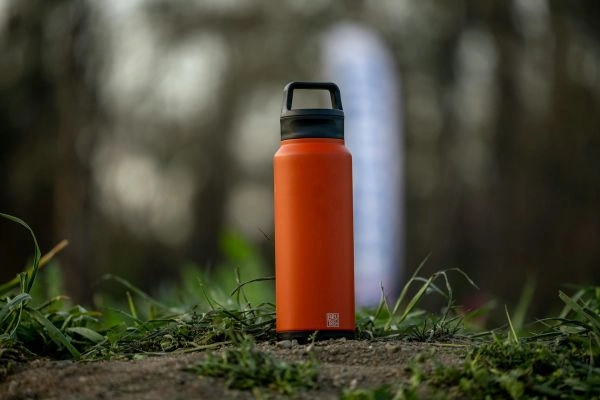
Portable water filters have become one of the most important additions to modern hiking gear. Products like the LifeStraw Personal Water Filter allow hikers to safely drink from streams and lakes, reducing the need to carry large amounts of water.
Emergency blankets, lightweight bivy sacks, and compact tarps are also increasingly popular. They protect from wind and rain while taking up minimal space in a pack.
In critical moments, having the right emergency gear can make all the difference.
5. Lighting Gear For Low Visibility Conditions
Many hikers underestimate how quickly daylight fades, especially in forested or mountainous areas.
A reliable headlamp is one of the simplest yet most important tools to carry. Modern headlamps are lightweight, rechargeable, and capable of producing powerful beams that illuminate the trail ahead.
High-quality models offer adjustable brightness settings, long battery life, and water resistance. These features make them dependable in a wide range of conditions.
Hands-free lighting allows hikers to navigate safely, set up camp, or handle emergencies after dark. Without it, even a familiar trail can become dangerous.
6. Weather-Ready Clothing That Protects Against The Elements
Weather conditions can change without warning. Sudden rain, strong winds, or temperature drops can quickly turn a comfortable hike into a risky situation.
The best hiking gear now includes clothing designed to adapt to changing conditions. Waterproof jackets, moisture-wicking base layers, and insulated mid-layers work together to regulate body temperature and keep hikers dry.
Brands like Arc’teryx continue to lead in technical outerwear, producing gear that balances protection with breathability.
Layering remains the most effective strategy. It allows hikers to adjust clothing based on activity level and weather changes, preventing both overheating and hypothermia.
7. Hydration Systems That Prevent Dehydration
Dehydration is one of the fastest ways a hike can become dangerous. It affects energy levels, decision-making, and overall physical performance.
Modern hydration systems are designed for convenience and efficiency. Hydration reservoirs allow for hands-free drinking, while insulated bottles keep water cool in hot conditions.
Filtration systems also play a key role, especially on longer hikes where carrying large amounts of water is not practical.
Staying hydrated is not just about comfort. It is a critical part of staying safe on the trail.
8. Trekking Poles For Stability And Endurance
Trekking poles are often overlooked, but they provide significant benefits on the trail.
They improve balance on uneven terrain, reduce strain on knees during descents, and help maintain a steady rhythm during long hikes. This can be especially useful when carrying a heavy pack.
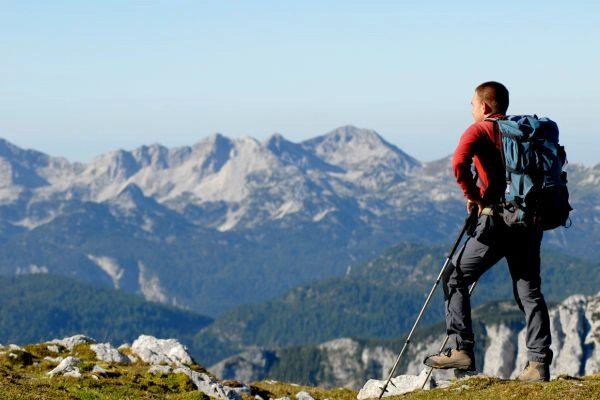
Modern trekking poles are lightweight and adjustable, making them easy to pack and use. Carbon fiber options are particularly popular due to their strength and reduced weight.
For many hikers, trekking poles become essential after just a few challenging hikes.
Smart Technology In Hiking Gear
Technology continues to reshape the hiking experience. Many hikers now rely on smart devices to enhance safety and navigation.
GPS watches provide real-time tracking and route planning. Satellite communicators allow for emergency contact in remote areas. Mobile apps offer detailed maps that can be accessed offline.
These tools add an extra layer of security, especially when hiking alone or in unfamiliar terrain. While they should not replace basic skills, they serve as valuable backups that can help prevent serious situations.
Must-Have Extras That Many Hikers Overlook
Beyond the basics, several smaller items can make a big difference in tough situations. Whistles are simple but effective for signaling for help. A loud whistle can carry much farther than a voice, especially in dense or windy conditions.
Sun protection is another overlooked area. Sunglasses, hats, and sunscreen help prevent heat-related issues and long-term skin damage.
Blister care kits, including moleskin and bandages, can prevent small discomforts from becoming serious problems. Once blisters form, they can quickly affect mobility and enjoyment.
Power banks are also becoming essential, especially when relying on electronic devices. Keeping a phone or GPS device charged can be critical in emergencies.
Common Mistakes When Choosing Hiking Gear
Even with access to better gear than ever, mistakes still happen. Buying based on price alone often leads to poor-quality equipment that fails when it is needed most. Investing in durable gear is usually more cost-effective in the long run.
Ignoring fit and comfort is another common issue. Boots and backpacks should be properly fitted to avoid discomfort and injury. Overpacking can slow movement and cause fatigue, while underpacking can leave hikers unprepared. Finding the right balance is key.
Skipping emergency gear is one of the biggest mistakes. Many assume nothing will go wrong, but preparation is what prevents small problems from becoming serious.
How To Choose The Best Hiking Gear For Men
Choosing the best hiking gear depends on several important factors. Terrain plays a major role. Rocky trails require sturdy boots and trekking poles, while flat paths may allow for lighter gear.
Weather conditions also influence gear choices. Cold environments require insulation, while hot climates demand breathable clothing and extra hydration. Trip length determines how much gear is needed. Day hikes require minimal equipment, while multi-day trips require more comprehensive preparation.
Experience level matters as well. Beginners should focus on safety and simplicity, while experienced hikers may prioritize weight savings and efficiency.
Building A Reliable Hiking Gear Setup
A dependable setup includes all the essentials needed for safety and comfort. This includes high-quality hiking boots, a durable backpack, navigation tools, emergency supplies, weather-appropriate clothing, hydration systems, and lighting gear.
Each item plays a role in ensuring a safe and enjoyable experience. Skipping even one category can increase risk, especially in challenging conditions.
Gear Up For Safer And Smarter Adventures
Hiking is unpredictable. Trails can change, weather can shift, and unexpected situations can arise without warning. That is why investing in the best hiking gear for men is not just about improving the experience. It is about being prepared for whatever the trail brings.
The latest advancements in hiking gear for men show a clear focus on safety, durability, and smart technology. From reliable footwear to advanced navigation tools, modern gear is built to handle real-world challenges.
Choosing the right equipment ensures that every hike remains safe, enjoyable, and manageable from start to finish.